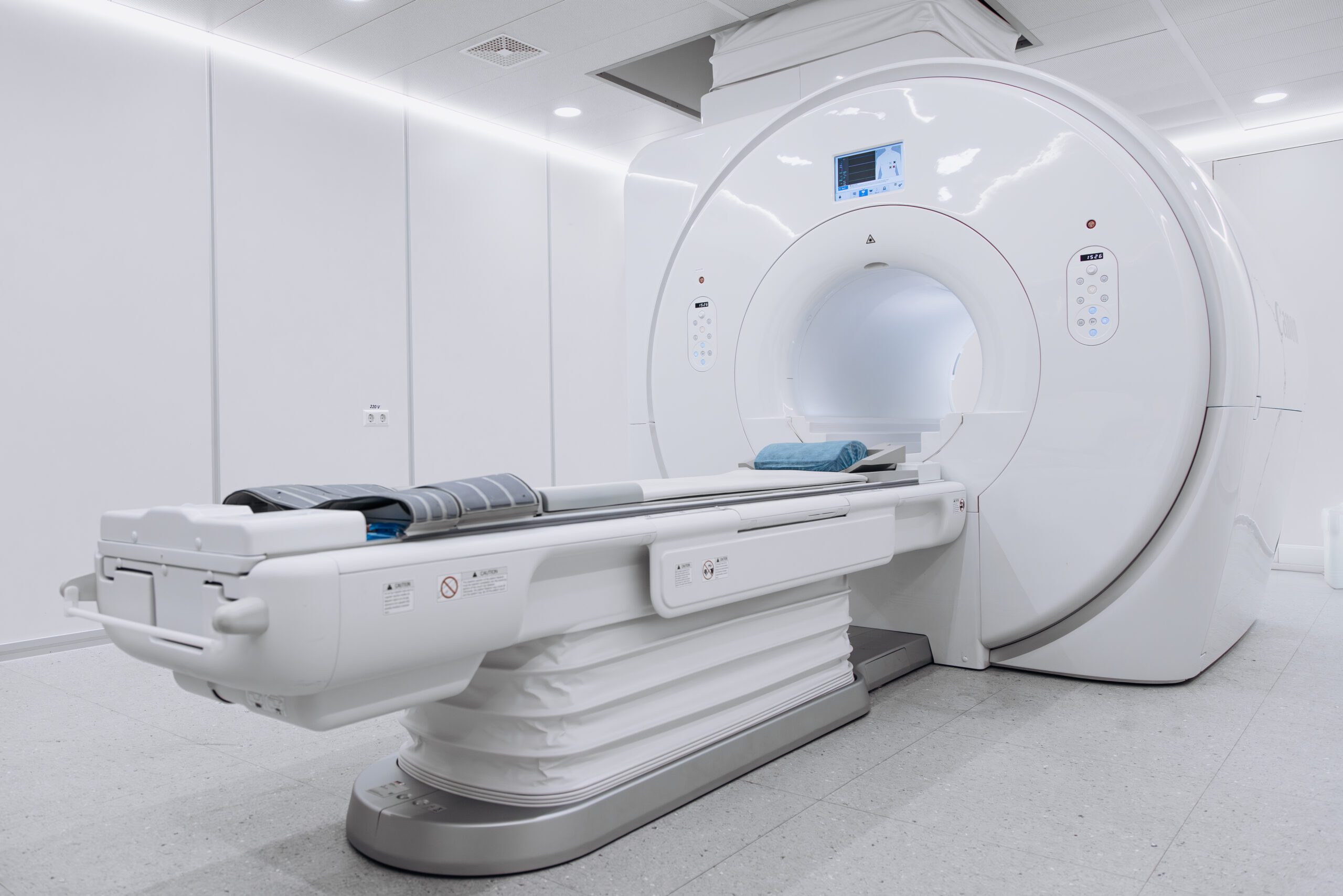
A CT scanner is often viewed as a major capital asset because of its high acquisition cost. In practice, its operational value extends far beyond the balance sheet. For many hospitals, especially those with limited imaging redundancy, a CT scanner is essential to keeping critical services running. When it goes down unexpectedly, the consequences extend beyond radiology: emergency care can be interrupted, patient flow can stall, and in some cases, the emergency department may need to divert patients elsewhere. This is why capital replacement planning for imaging equipment requires more than simply tracking age.
“If you only have one or two CT scanners and your scanner goes down, your emergency department closes, essentially,” says Staritas principal consultant and investigator Mark Schlesinger. “That level of disruption changes how hospitals need to think about replacement planning.”
The Risk Extends Beyond the Equipment Itself
CT scanners are among the most expensive devices in a hospital’s inventory. New systems can cost well over $1 million, which naturally makes replacement decisions highly scrutinized. However, focusing only on purchase price can obscure the broader operational risk.
Hospitals with only one or two CT scanners face immediate consequences when one fails:
- Delayed diagnosis
- Lost throughput
- Revenue interruption
- Reputational impact
- Pressure on nearby facilities receiving diverted patients
If imaging capacity is lost, emergency departments may be unable to support stroke protocols or timely diagnostic evaluation for incoming patients. In some situations, hospitals may need to close emergency admissions until imaging capability is restored.
For stroke-certified hospitals, the stakes are even higher. Timely CT imaging is often a required part of care pathways tied to accreditation and treatment standards. At that point, a scanner failure is no longer just a technical problem. It becomes an organizational event.
Why Age Alone Does Not Tell the Full Story
A common mistake in capital planning is relying primarily on asset age to determine replacement timing. While CT scanners are often assigned an average useful life of about 10 years, that benchmark is only a starting point. Actual replacement timing depends heavily on how the equipment is used. A scanner running around the clock in a busy emergency department experiences far different wear than one used during standard weekday hours in an outpatient setting. As a result, two scanners purchased in the same year may be in very different condition by year eight.
That distinction matters because hospitals that rely only on purchase date risk making the wrong decision and lead to:
- Replacing too early and spending capital before necessary
- Replacing too late and taking on avoidable operational risk
A stronger replacement strategy considers utilization, the patient population the device supports, and the operational consequences if it fails.
Inventory Integrity Drives Planning Accuracy
Before any hospital can make sound replacement decisions, it needs complete and reliable equipment inventory data. Yet across hospitals, inventory records are often incomplete, outdated, or inconsistent, says Schlesinger. In some projects, his team has found outdated devices still listed long after removal, while newer equipment was missing entirely because it remained under warranty and had not yet entered service records.
For CT planning, inventory should capture:
- Exact model and configuration
- Purchase date
- Service and maintenance history
- Utilization levels
- Support and warranty status
- Clinical role and location
Without this level of detail, prioritization becomes reactive rather than strategic.
Failure Impact Should Drive Priority
Not all device failures carry equal organizational impact. Replacement prioritization must reflect this reality. A hospital may have many devices nearing expected replacement age, but priority should shift when failure creates immediate service disruption.
A broader scoring approach weighs multiple factors, including quality and safety risk, service reliability, support availability, and operational and clinical impact.
For CT scanners, failure impact can include:
- Emergency department disruption
- Delayed admissions and procedures
- Increased patient transfers
- Bottlenecks across multiple service lines
This is why imaging equipment often rises quickly on replacement lists, even when other devices are older.
Technology Advancements Cannot Be Ignored
Imaging technology continues to evolve rapidly, with advancements in artificial intelligence, workflow optimization, and diagnostic capabilities. Artificial intelligence is increasingly influencing image acquisition, workflow, and interpretation support.
A scanner may still function mechanically, but newer capabilities can materially affect clinical performance, throughput, or diagnostic confidence. That does not mean every hospital needs the newest system immediately. Replacement should align with actual clinical need, not simply new product launches. The key question is whether newer capability materially improves patient care, efficiency, or diagnostic confidence.
The Case for Continuous Review
Capital planning is not a static exercise. Even well-constructed long-range plans require regular reassessment. Hospitals typically replace about 8% of capital equipment annually, and both inventories and priorities shift constantly.
For CT scanners specifically, an annual review helps account for:
- Changes in service costs
- Emerging failure patterns
- Volume growth
- Care delivery shifts (e.g., outpatient migration)
- Organizational changes, including mergers and acquisitions
A scanner that looked stable two years ago may now carry much greater operational risk. Regular review ensures replacement decisions are based on current conditions, not assumptions from the initial plan.
Replacing Before Failure Is the Objective
The objective of capital planning is not early replacement—it is timely replacement. As Schlesinger explains, medical devices fail just like devices at home fail. If your coffee maker breaks, it is inconvenient, but the impact is minimal and easily managed. In healthcare, the stakes are very different.
For CT scanners, the margin of error is narrow. When imaging stops, the impact extends across the entire organization. One device can affect an entire hospital’s ability to function. The goal is to anticipate failure before it disrupts care, while maximizing the value of the original investment.
Staritas supports this approach through Predictive Replacement Planning, helping hospitals take a longer‑term view of imaging assets. By developing multi‑year replacement plans aligned to clinical priorities, operational risk, and budget constraints, organizations can make more informed, defensible capital decisions before disruption impacts patient care.
Explore Predictive Replacement Planning by Staritas.